Rafael Lange · 2 September 2026
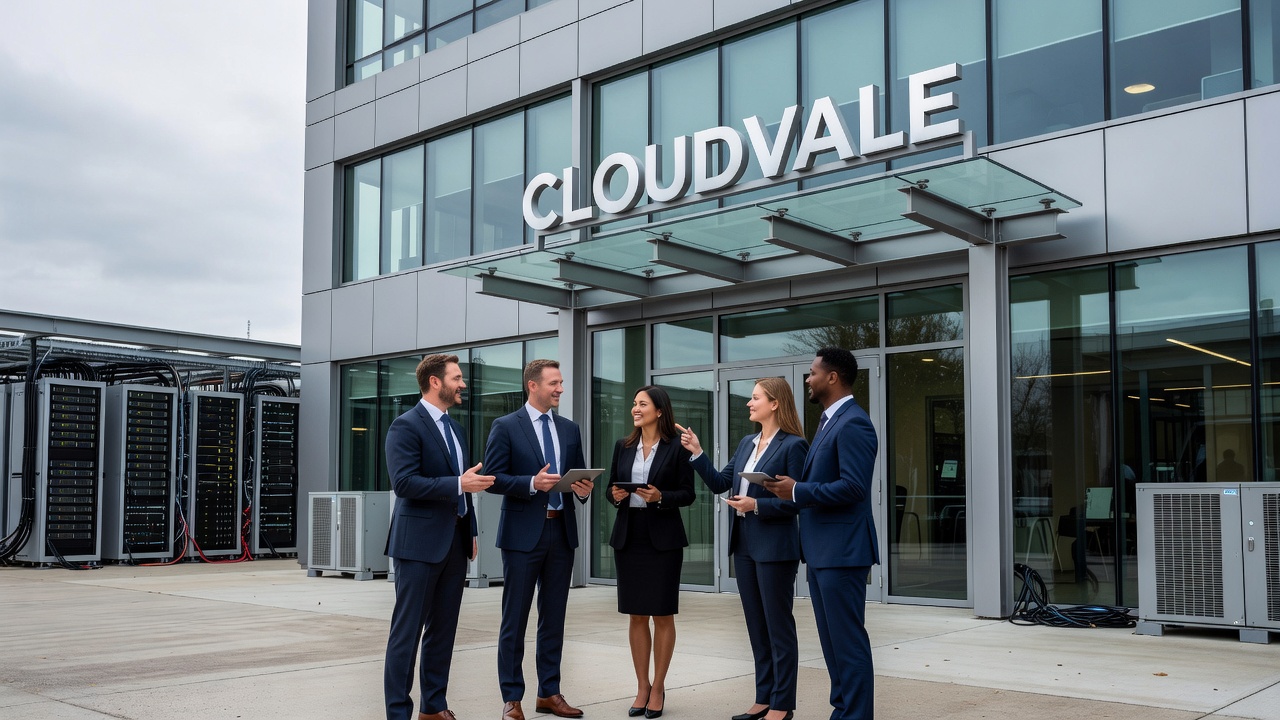
A Cloudvale-based technology startup has secured major investment to develop regional data centers designed to strengthen local cloud infrastructure and support growing business demands for reliable computing resources.
Funding Round and Allocation
The startup raised 65 million dollars in its Series B round led by venture firms specializing in sustainable infrastructure. Capital will fund three new facilities featuring advanced liquid cooling, renewable energy integration, and high-density server racks. Construction begins next quarter with the first center expected online in eighteen months. Officials stated the centers will cut latency for regional clients while enhancing data sovereignty and security compliance. Additional phases include partnerships with local utilities to ensure grid stability during peak loads.
Market analysis shows rising demand for edge computing in manufacturing and healthcare sectors across the area. The project aims to deliver scalable storage solutions that reduce reliance on distant hyperscale providers. Early projections estimate the facilities will handle over two exabytes of data annually once fully operational.
Economic and Technological Benefits
The initiative is projected to generate more than four hundred direct jobs in operations, maintenance, and engineering plus indirect employment in supply chains. Local governments anticipate increased tax revenue and new business attraction as improved connectivity draws digital startups. Environmental plans incorporate solar arrays and closed-loop water systems to achieve carbon-neutral operations within three years.
Analysts highlight potential spillover effects including accelerated adoption of artificial intelligence tools by nearby enterprises and strengthened disaster-recovery capabilities for critical services. The startup plans workforce training programs with regional colleges to build specialized skills in data center management. This development positions Cloudvale as an emerging node in national cloud networks while addressing capacity gaps identified in recent infrastructure reports.